Most kitchens are stocked. Fewer are built. The difference shows up on a wet Tuesday when the fridge holds half a cabbage and a heel of cheese, and dinner still lands on the table tasting deliberate. What makes that possible isn't a bigger shop. It's a small set of staples chosen on purpose, each one earning its shelf space by doing more than one job.
Below is the shelf worth rebuilding from scratch: fifteen artisan staples across oils, vinegars, salts, spices and preserves, with notes on how to buy them, store them and use them up before they fade. Nothing here is precious or hard to find. Everything here works on a weeknight.
Fat is how flavor travels from the pan to your tongue. Get this shelf right and everything downstream improves.
Keep two olive oils. One is a workhorse: a decent extra-virgin for roasting vegetables, sweating onions and dressing a salad you'll eat standing up. The second is a finishing oil — peppery, green, maybe a single-estate bottle — poured raw over beans, bread, grilled fish or soup. Heat destroys the delicate compounds you paid for, so save the good bottle for the end.
Add a cold-pressed rapeseed or sunflower oil for baking, mayonnaise and anything needing a neutral hand, plus a small bottle of toasted sesame oil for noodles, cucumber salads and a spoonful stirred into fried rice. A jar of ghee or good cultured butter rounds out the set.
If a soup, stew or tray of roasted roots tastes flat and you can't work out why, it usually needs acid, not salt. Sherry vinegar is the most versatile bottle on the shelf — nutty, sharp, at home in a vinaigrette or a pan sauce. Red wine vinegar is the everyday backup. Apple cider vinegar brings a fruity edge to slaws and slow-cooked pork. A spoonful of aged balsamic, thick as syrup, finishes tomatoes and strawberries. Rice vinegar is mild enough for pickles and dressings that shouldn't shout.
Two bottles will carry you a long way; four or five covers most cooking. Use them late — a splash off the heat, then taste again.
Salt isn't one ingredient. It's a family, and each member has a job.
Coarse kosher or sea salt is for cooking: pasta water, braises, blanching greens. Fine sea salt dissolves quickly in baking and doughs. Flaky salt — the crunchy, irregular kind — goes on at the table, where its texture does as much work as its salinity. Beyond those three, a smoked salt for eggs and potatoes, and a mineral-rich grey salt for finishing, are genuinely useful rather than decorative.
Season in layers as you cook rather than all at once at the end, and taste at every stage. If you're managing sodium for a medical reason, follow the advice of your doctor or dietitian rather than a general rule.
Ground spices are convenient and mostly forgettable. Whole spices, toasted in a dry pan for thirty seconds and ground as you need them, smell like something you'd pay money for. Start with cumin, coriander, fennel seed, black peppercorns, mustard seed, cinnamon sticks, cardamom pods, bay leaves and dried chilies. Add smoked paprika, Aleppo-style pepper flakes, turmeric and a good chili powder blend for the ground shelf.
Toast whole spices until they smell nutty and you can hear the faintest crackle — one second longer and you're toasting bitterness.
Buy ground spices in small jars and replace them every year or so. Keep them away from steam, and never shake them over a boiling pot. For aromatics, fresh garlic, ginger and onions live in the kitchen, not the pantry, but tomato paste in a tube, harissa, preserved lemons and a tin of anchovies belong on the shelf. They are the shortcut between a plain pan of vegetables and something that tastes cooked by someone who knows what they're doing.
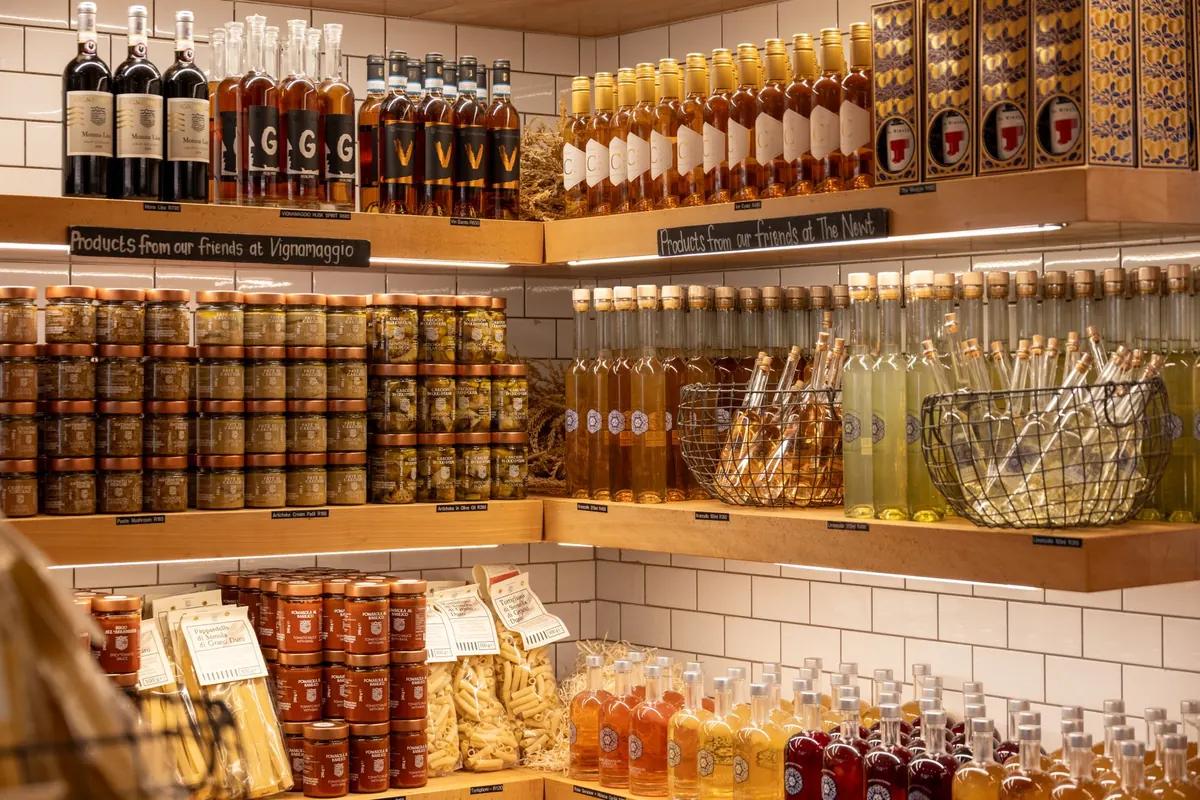
This is the shelf that saves dinner. Dijon and wholegrain mustard, white miso, gochujang, capers in salt, oil-packed anchovies, toothed olives, tahini, honey, maple syrup and a couple of jams you actually like. Add a stack of good tinned tomatoes, a row of tinned beans and a few tins of oil-packed tuna.
Buy small jars first and taste before you commit to a brand. Condiments are personal; the mustard you keep rebuying is the right mustard. Once opened, refrigerate what the label tells you to and don't let a jar of miso sit forgotten at the back of the shelf for a year.
A pantry is a set of habits as much as a shelf of jars. Build it slowly: one new bottle or jar a week, chosen because a recipe you cook often calls for it. Write the date on the lid when you open something. When you finish a jar, note whether you'd buy it again before you replace it.
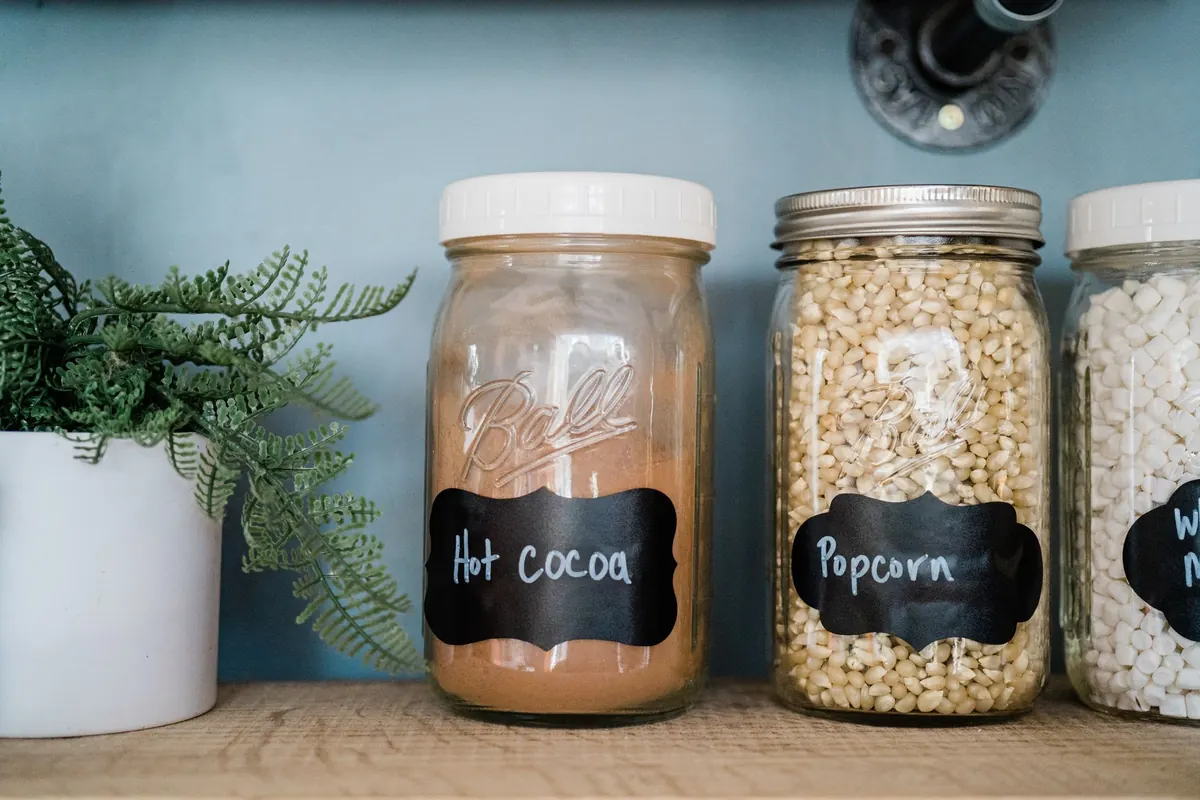
Once a month, cook a meal entirely from the shelf — pasta with anchovy, garlic and chili; beans with olive oil, sherry vinegar and smoked paprika; rice with sesame oil and a fried egg. That habit does two things: it shows you which staples you actually reach for, and it keeps the shelf rotating so nothing sits long enough to go dull. Move older jars to the front, keep a running list stuck to the fridge door, and decant anything you buy in bulk into smaller airtight jars you can see through.
Start with the fifteen, add one at a time, and by the end of a season you'll have a shelf that quietly does half the cooking for you.