A well-chosen hamper can be the most welcome parcel someone receives all year. A badly chosen one is a wicker box of obligation: three jars nobody will open, a sachet of instant hot chocolate, and a cheese that arrived warm. The difference between the two is rarely the budget. It is the decisions made in the ten minutes before checkout.
Most hamper mistakes are predictable, which means they are avoidable. Here are the ones that come up again and again, and what to do instead.
This is the single most common error, and it usually comes from good intentions. You love a punchy chilli jam, so you buy a hamper built around it. Your recipient eats nothing spicier than a baked potato. The hamper sits in a cupboard until it is quietly passed on to someone else.
Before you browse, write down four things about the person: whether they cook or graze, sweet or savoury, hot drinks or not, and whether they drink alcohol. That short list rules out half the catalogue immediately. A keen cook will use good olive oil, anchovies and a jar of proper stock. A grazer wants crackers, pâté, olives and something to dip. A person who drinks only black coffee will not thank you for a flavoured syrup trio.
If you genuinely do not know their tastes, choose a theme rather than a spread. A single-origin coffee set, a regional cheese selection, a good honey trio. Narrow is safer than broad, and it feels more considered than a box of twelve unrelated things.
Food is fragile in ways that clothing is not. Chocolate blooms in a warm van. Cheese sweats. Jars crack. Biscuits arrive as crumbs if they are rattling loose against a tin.
Look at how the seller ships before you look at the contents. Questions worth asking, or checking on the product page:
If a seller cannot tell you how a perishable hamper is packed and how quickly it travels, that is your answer.
Hampers are often sold by item count, which rewards volume over quality. Read the contents list properly and picture the box. How much of it is actually edible, and how much is shredded paper, a wooden board, a branded mug and a bag of something you could buy at a petrol station?
Two habits help here. First, look for weights: “180g jar of apricot and almond preserve” tells you far more than “artisan preserve.” Second, ask yourself whether the food alone would be worth the price. If the answer is no, you are buying packaging.
Smaller, denser hampers almost always outperform large, airy ones. Six good things beat fourteen forgettable ones, and the recipient can tell the difference within a minute of opening the lid.
Allergies are not a detail. A nut allergy, coeliac disease, a dairy intolerance or a vegetarian household will determine whether your gift is a treat or a problem. If you know about a restriction, buy from a seller who labels clearly and can answer questions about how food is prepared in their kitchen — cross-contamination is a real risk in small production spaces.
Alcohol catches people out constantly. Wine, port, liqueur chocolates and brandy-soaked cakes all turn up in “food” hampers. If your recipient is pregnant, driving, in recovery, or simply does not drink, choose a hamper with an alcohol-free option rather than assuming a bottle will be passed along.
A hamper is a small shop window, so use it to look at the producers. Named makers, a description of where the fruit or cheese comes from, and items you could also buy individually are all good signs. So are sensible best-before dates: a hamper that must be eaten within five days of arrival is a difficult gift for anyone with a busy week.
If a hamper looks like a repackaging of well-known supermarket brands at three times the price, it probably is. There is nothing wrong with those brands, but they are not what you are paying a premium for.
Order for the date the hamper needs to arrive, not the day you happen to be shopping. Christmas and Easter cut-offs creep earlier every year, and a birthday hamper that lands four days late has lost most of its point.
Tastes confirmed. Perishables travelling fast and cold. Contents list read and weighed up. Allergies and alcohol checked. Producers named. Delivery date and address verified. If all seven are ticked, you have almost certainly chosen well.
And if you are still unsure between two hampers, pick the smaller one with the better food. It is the more generous choice, even though it looks like the cheaper one.
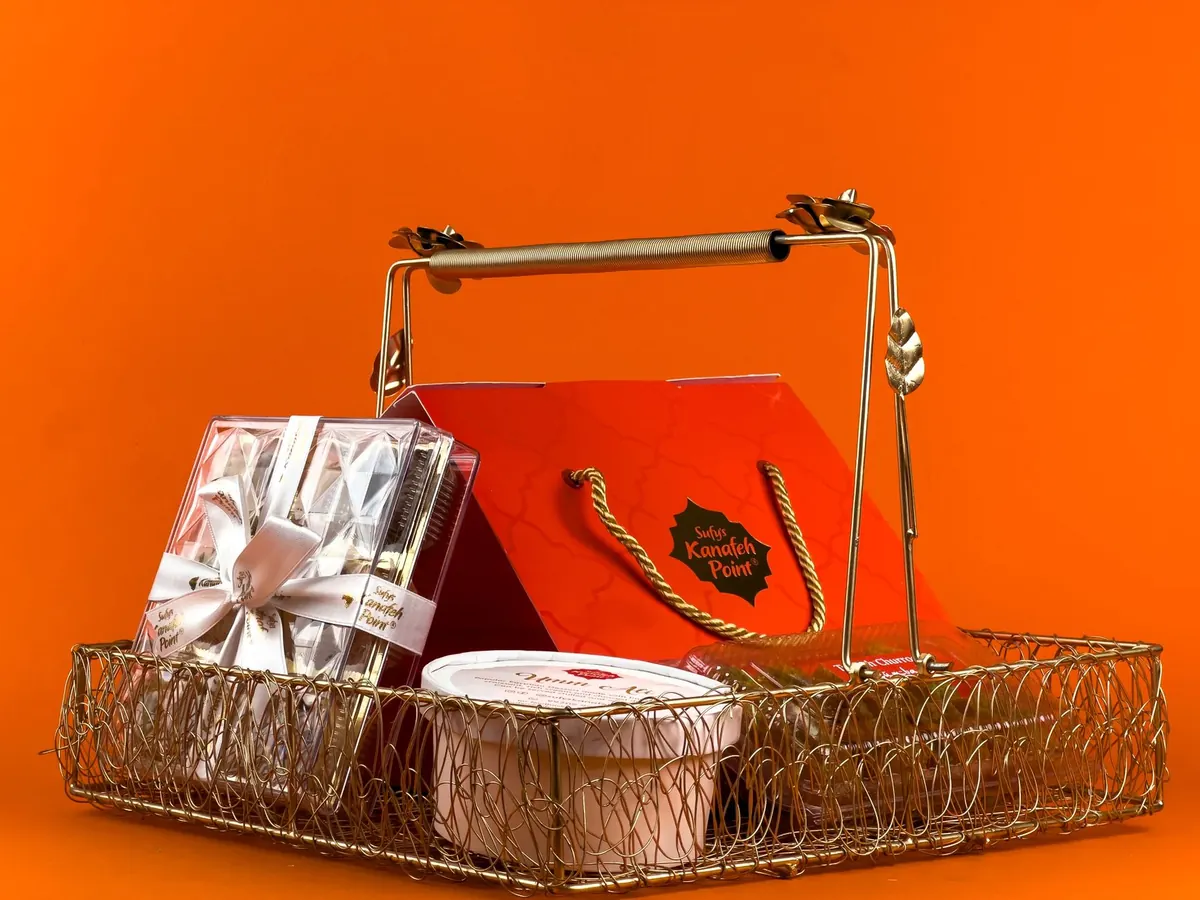
Photo: Yahya Gopalani / Pexels