A really good cup of tea comes down to two numbers: the temperature of the water and the time the leaves spend in it. Everything else — the pot, the leaf, the pretty tin — is secondary. Get those two right and a modest everyday tea tastes clean, sweet and alive. Get them wrong and the same leaf turns bitter, dull or watery, and you spend months blaming the tea. The good news is that the numbers are not secret. They shift from one tea family to the next, and once you know the ballpark you can taste your way to the exact spot you prefer.
Leaves are full of compounds that dissolve into hot water at different speeds. The ones we taste as sweetness, umami and fruit come out readily. The ones we taste as briskness and astringency — the tannins — come out faster still as the water gets hotter.
That is the whole tension in brewing. Above roughly 85°C, tannins rush into the cup, and a delicate green or white tea that should taste of fresh peas and melon ends up stewed and metallic. Below that, a robust black tea can taste hollow and sour, because you never pulled enough body out of the leaf.
Time works as a multiplier on top of that. A leaf brewed at the right temperature for twice as long will still go bitter, just more slowly. Treat temperature as the setting and time as the distance you travel.
A small kitchen scale costs very little and settles more arguments than any teapot. If you only buy one piece of tea equipment, make it that.
Black tea is the most forgiving of the five families, which is also why it is so often brewed carelessly. Aim for 95–100°C and 3–5 minutes with whole leaves. Water straight off the boil is exactly right for Assams, Ceylon and most breakfast blends.
First-flush Darjeelings are the exception. They are lighter, greener and more floral, and they respond better to 90–95°C for two to three minutes. If your black tea turns harsh and drying, shorten the steep before you change anything else.
Green tea is where careless brewing does the most damage. The target is 70–80°C and one to three minutes. Japanese sencha likes 70–75°C for 60–90 seconds. A Chinese longjing is happiest around 75–80°C for about two minutes. Gyokuro, the most delicate of them all, wants water at 50–60°C.
You do not need a thermometer. Boil the kettle, then pour the water into a cool mug or pitcher and let it stand. Pouring boiling water into a cold vessel knocks several degrees off it immediately, and a couple of minutes of standing takes off more. A splash of cold water in the pot before the hot water does the same job in a hurry.
If green tea tastes like cooked spinach, the water was too hot. If it tastes like nothing at all, you used too little leaf.
Oolongs sit between green and black, and they vary enormously. Light, greenish oolongs such as Tieguanyin or Baozhong want 85–90°C for two to three minutes. Dark, roasted oolongs — Wuyi rock teas, aged styles — take 95–100°C for three to four minutes without complaint. Tightly rolled leaves need a longer first steep, or a quick five-second rinse with hot water to open them up.
White tea is gentler than its pale colour suggests. Silver Needle, made only from buds, is delicate: 75–80°C for two to three minutes. White Peony, which includes leaves, handles 80–85°C for three to four minutes. Older, aged white teas are sturdier still and can take near-boiling water.
Herbal infusions are not tea at all — they are dried flowers, leaves, roots, seeds and fruit — so the rules loosen. Most want 95–100°C for five to seven minutes. Leaves and flowers give up their flavour quickly; roots, bark and spices such as ginger or cinnamon need seven to ten minutes, or a gentle simmer on the stove. Cover the cup while peppermint or chamomile steeps, so the aromatic oils stay in the water instead of drifting into the kitchen.
Rooibos and honeybush land around five to seven minutes. Hibiscus, dried fruit blends and anything heavy on berries often need eight minutes or more to stop tasting thin.
A sensible note: herbal blends are not automatically suitable for everyone. If you are pregnant or nursing, or you take regular medication, check with a pharmacist or doctor before drinking large amounts of an unfamiliar herb.
That last step matters more than any chart. Brewing times are starting points, not verdicts. If a cup tastes bitter, drop the temperature by 5°C and shorten the steep by 30 seconds next time. If it tastes thin and watery, add more leaf before you add more time — extra leaf builds body, while extra time mostly builds astringency.
Keep a few notes for a week: the tea, the temperature, the time, and whether you would drink it again. Within a handful of brews you will stop consulting the guide altogether and start trusting your own palate, which was the point all along.
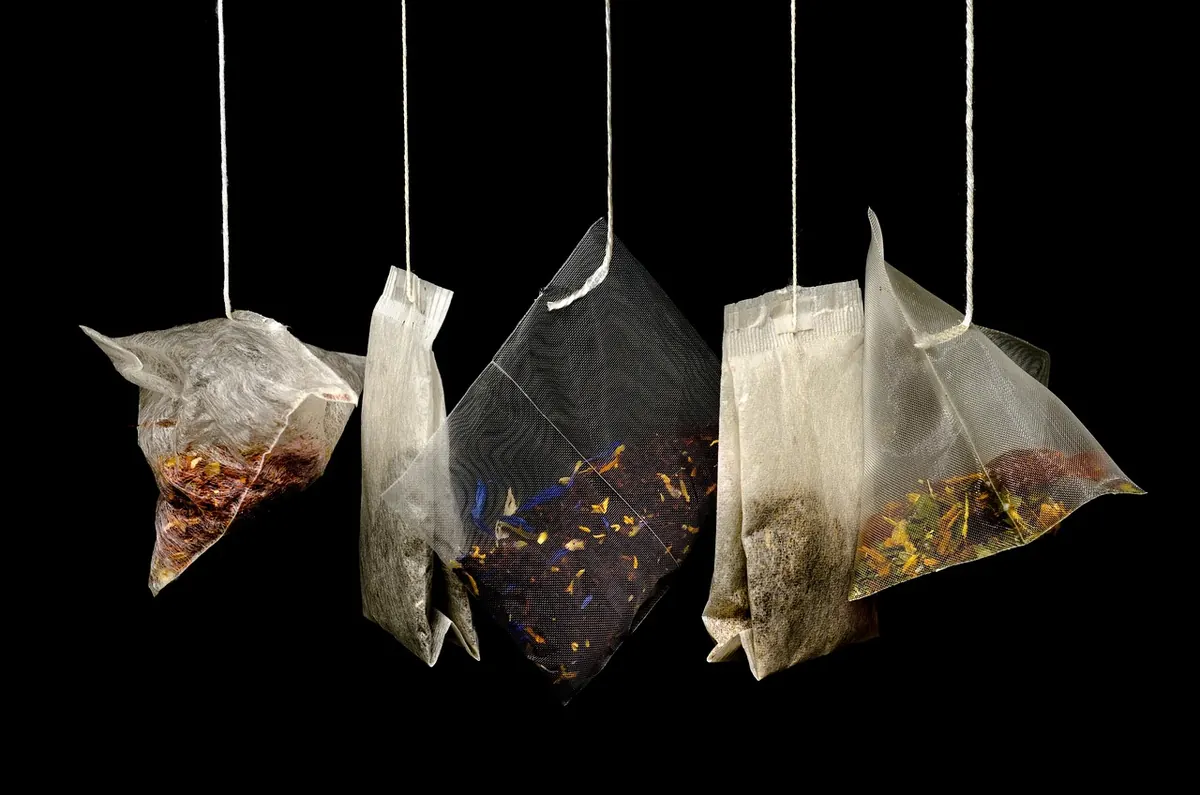
Photo: ClickerHappy / Pixabay